Railhenge Sculpture Proposal
Russ Riendeau, a St. Charles resident and sculptor with other public sculpture installations, will be presenting a proposal to request the city's permission to utilize the small piece of vacant and used property off Rt. 31, south of the Boyscout Headquarters on the west side of Rt. 31. The property is the circle of grass that the bike trail coming off the covered bridge over the river encircles as it winds down to street level. Russ, working with the St. Charles Arts Council, and research via the St. Charles History Museum and St. Charles Business Alliance, has a design for a sculpture installation titled "Railhenge."
This sculpture, with a similar concept of the famous Stonehenge, would be an abstract installation of 13 vertical lengths and shapes of actual railroad track in a roughly 35' diameter circle that would also have dramatic night lighting as well. This sculpture is to recognize both the rich and important railroad history of St. Charles bygone era in the mid-1800s to the the mid- 1900s, as well as honoring the efforts of St. Charles citizens that were part of the Underground Railroad as they risked much to help freedom-seeking slaves during the Civil War to escape to freedom to the northern states and Canada. Many of the homes in St. Charles were used as secret locations to house and transport slaves with a network of others.
Currently, there are no sculptures in the city that showcase our rich and unique history of railroads in the Fox River Valley
This sculpture, easily accessible, would aid in boosting tourism, pride of working and living in St. Charles, expand the education of our children, increase people using more of our local business to generate more tax revenue, and also improve the overall first impressions of travelers on Rt. 31 coming from the North thru our River North Arts Corridor being championed by the Arts Council.
Our request from the city is:
1. Giving the OK to use this vacant piece of city property for this installation.
2. Use of City Electricity to light it and install street signage down the road.
3. Use of Public Works equipment & labor to install (Estimated 2-2.5 days).
4. The railroad steel, all fabrication of the pieces and delivery to the site have been generously donated by Oakley Steel Products.
Examples: Revenue & Economic Statistics Show Value for Public Art
Visitor Spending: Audience spending studies show typical cultural event attendees spend $31.47 per person on event-related activities (e.g., parking, dining, and retail) beyond the cost of admission. [1]
Out-of-County Tourists: Visitors traveling from outside the county spend more than double that of locals (about $47.57). In cities like Aurora, anchor arts foundations generate upwards of $54 million in local economic impact annually. [1, 2]
Event-Driven Revenue: Pop-up and outdoor art events specifically draw massive crowds; for example, a single-night outdoor art installation spanning several urban blocks can attract upwards of 16,000 visitors, driving immediate spikes in restaurant and retail revenue. [1]
Additional Local & Social Benefits
Private and Public Investment: Many municipalities (such as Evanston) utilize a "Percent-for-Art" ordinance requiring 1% of the total budget for new city developments to go toward public artwork, driving aesthetic investments without heavily relying on tax hikes. [1]
Placemaking: The Sculptures on the Fox program in St. Charles highlights the direct use of compelling artwork to beautify the downtown shores, turning previously quiet riverwalks into prime community gathering destinations that keep local discretionary spending in-town. [1, 2]
Cultural Identity & Unity: Collaborative public art projects empower residents, generate a strong sense of place attachment, and help express diverse community heritage that fosters civic engagement. [1, 2, 3]
Sources: Arts Alliance Illinois, Now Art, Parking & Mobility Magazine
ArtPrize in Grand Rapids, Michigan generates $82.6 million in direct economic activity, according to the official City of Grand Rapids report. Conducted alongside researchers from Grand Valley State University, the data showcases an explosive upward trajectory from the $71 million generated previously. [1, 2, 3]
The financial impact breaks down across several major tourist-driven sectors: [1]
Visitor Numbers & Tourism Spending
High Influx of Tourists: The 15-to-18-day event attracts nearly 800,000 visitors annually to the Grand Rapids urban core. Non-local tourists spent an average of $67 per visit.
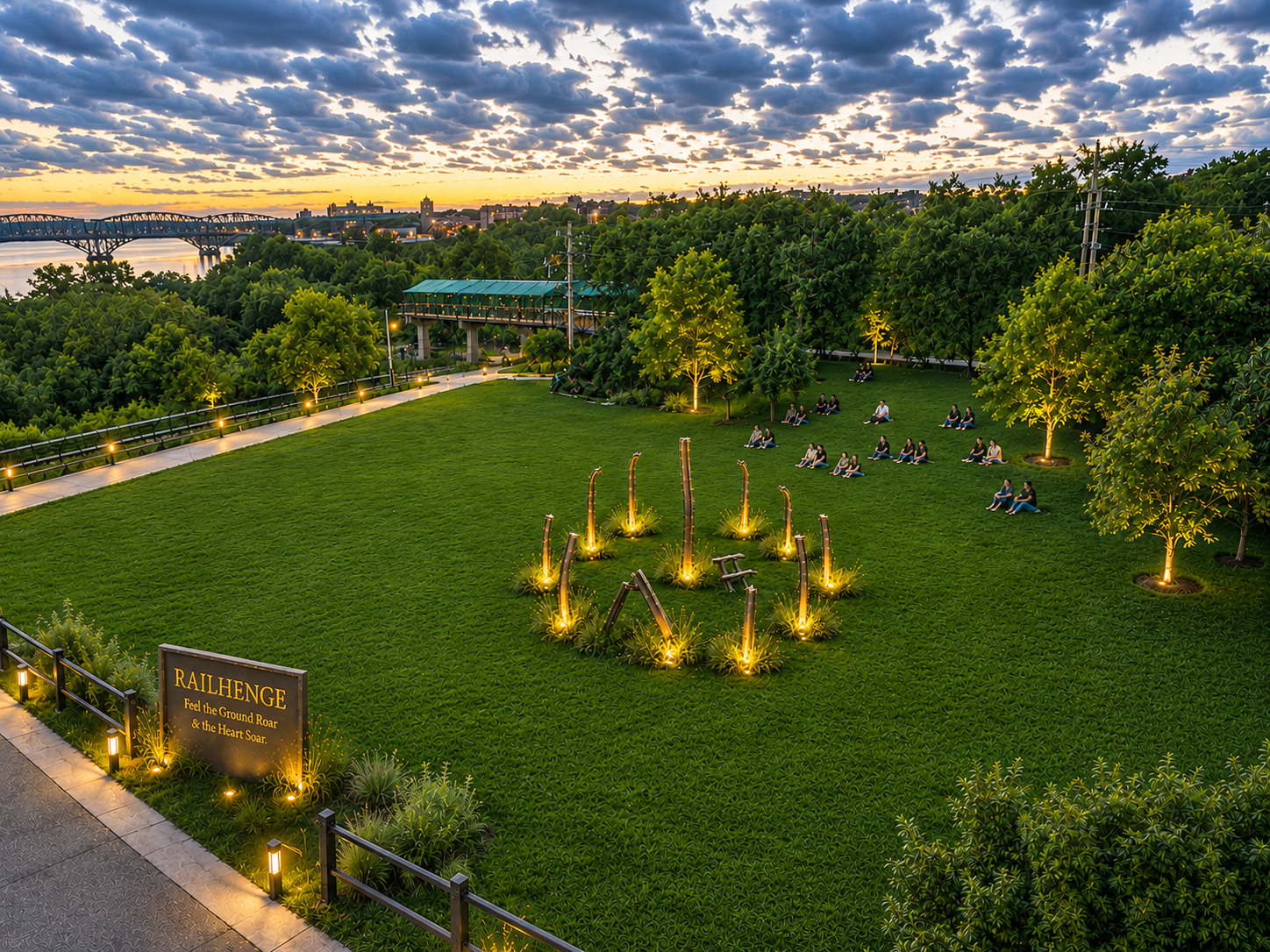
Railhenge Concept with Dramatic Lighting
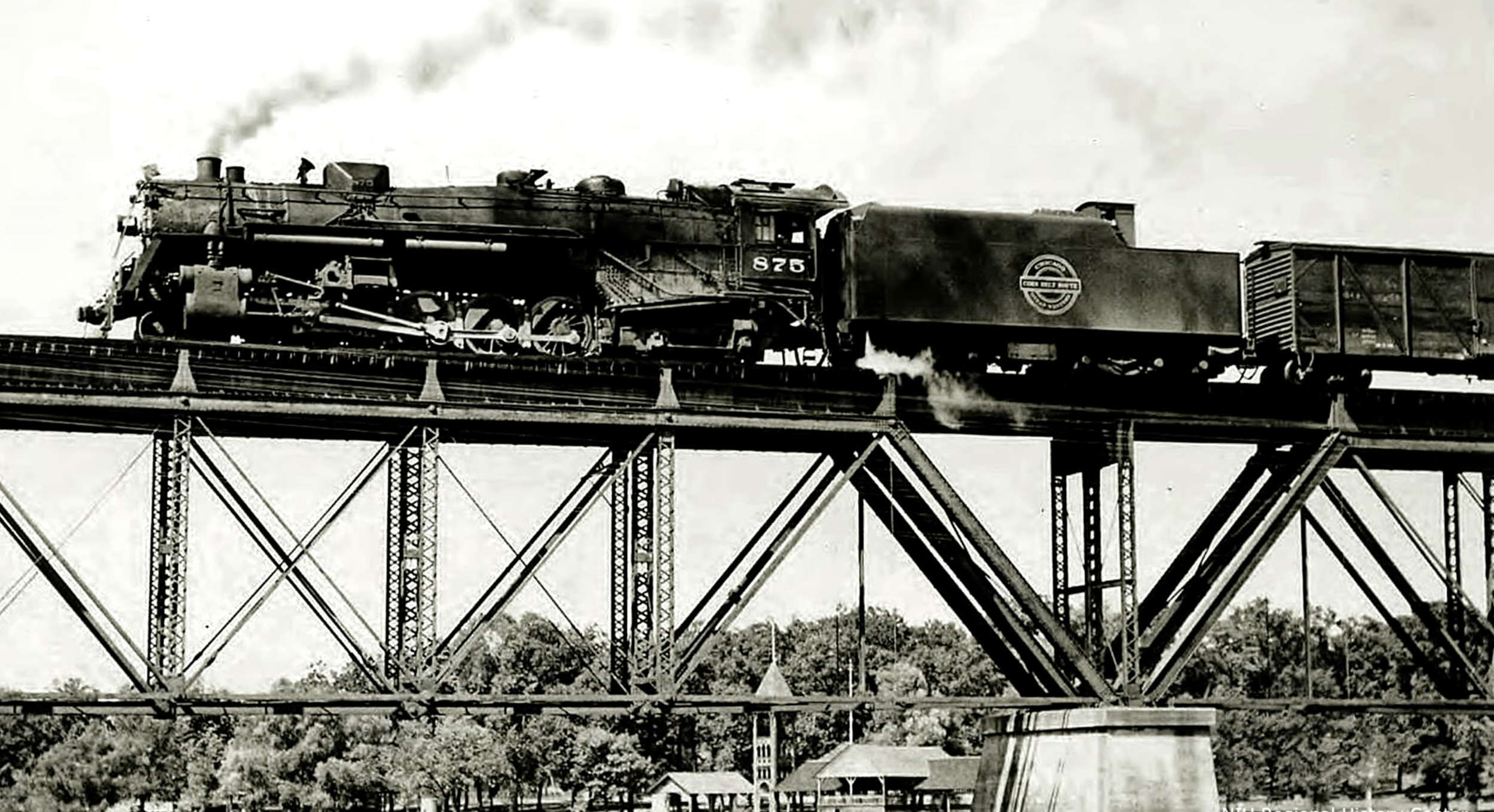
Train 1947 on Great Western Railway near site (Courtesy History Museum)
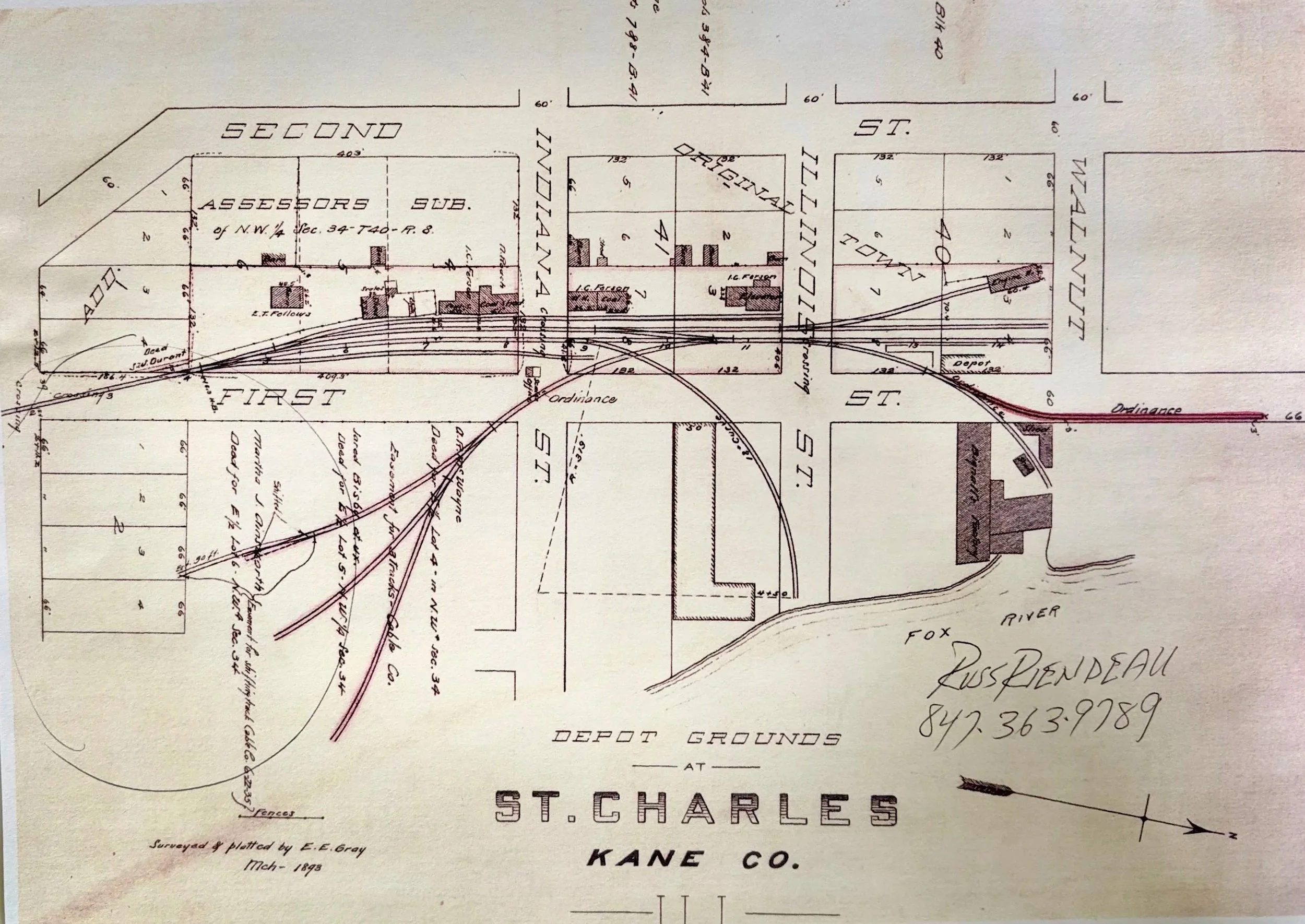
Depot Grounds at St. Charles 1893 map (Courtesy History museum)
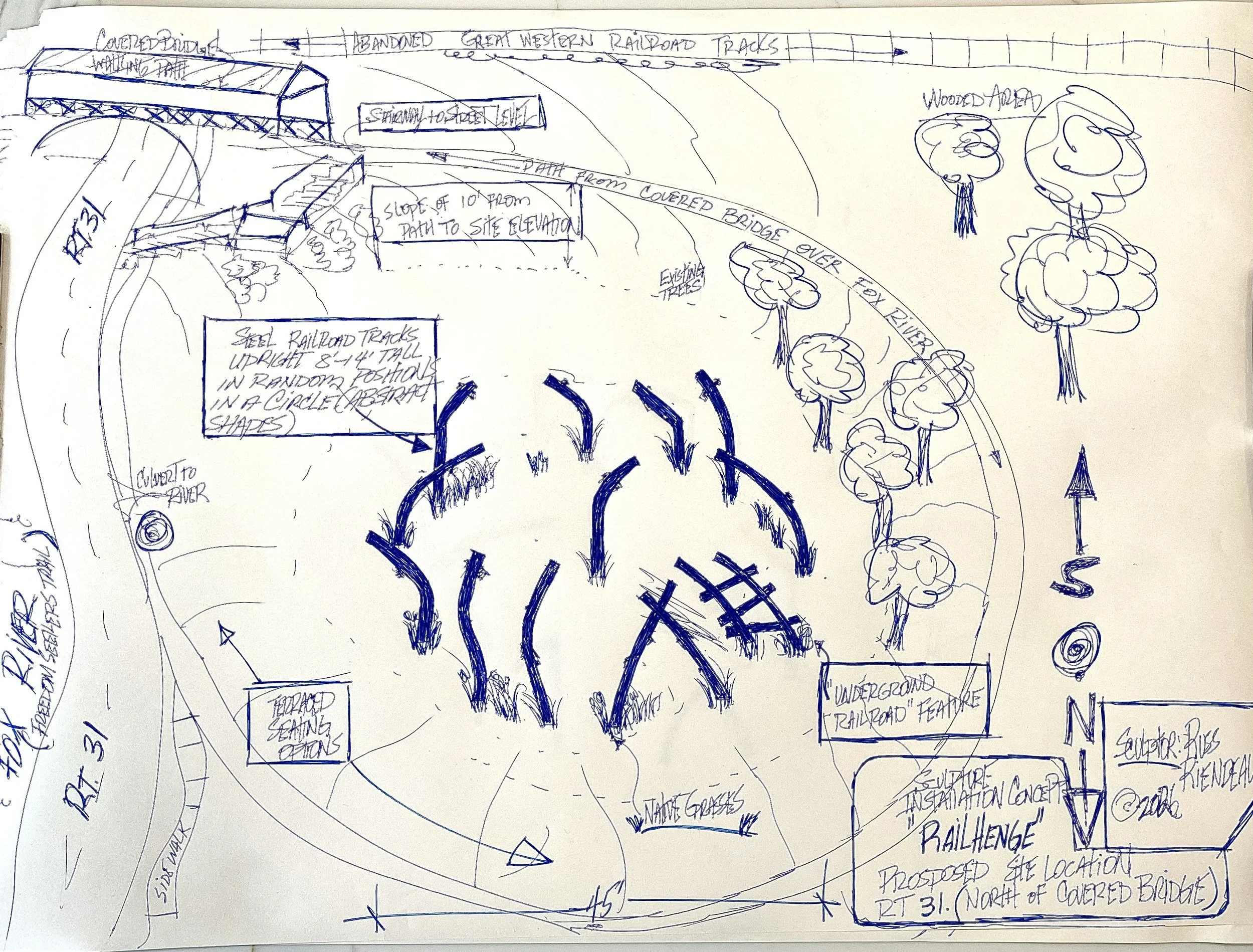
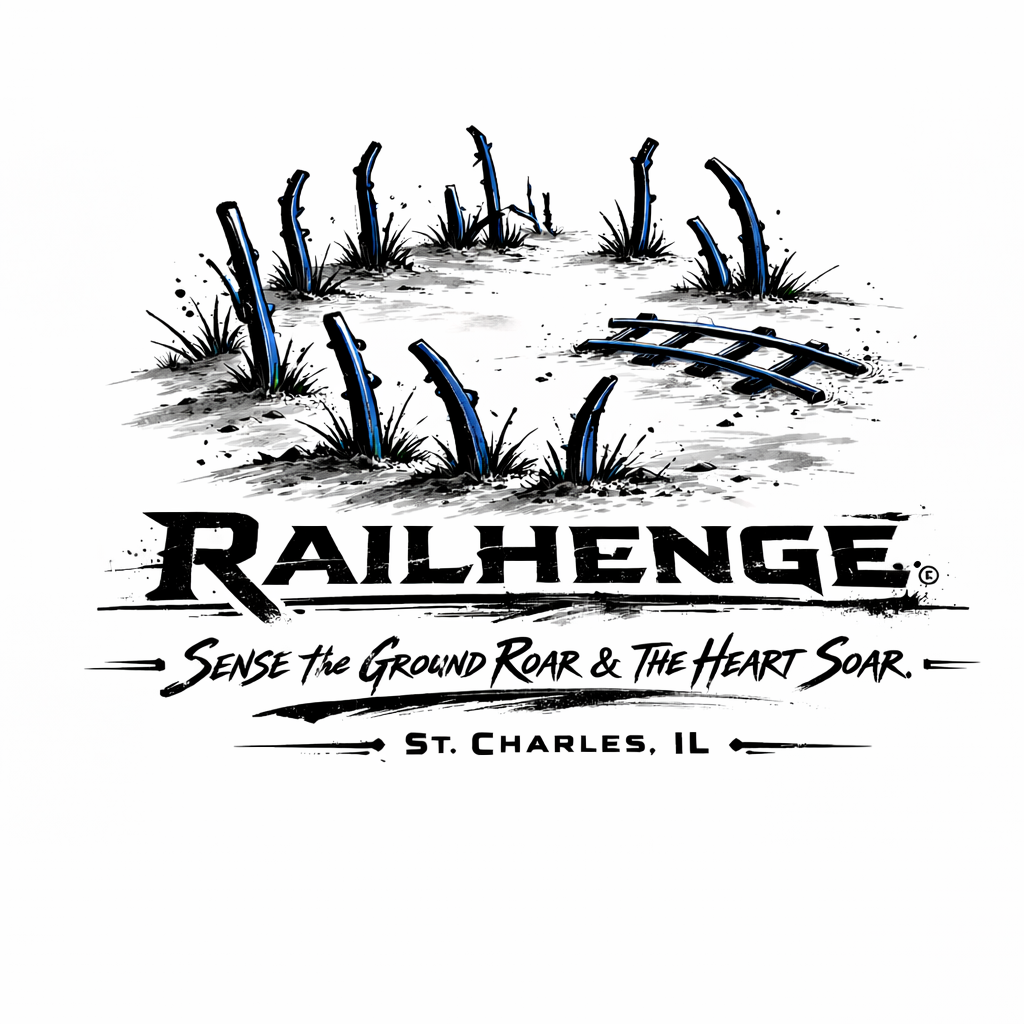
Early Sketch of Railhenge Idea
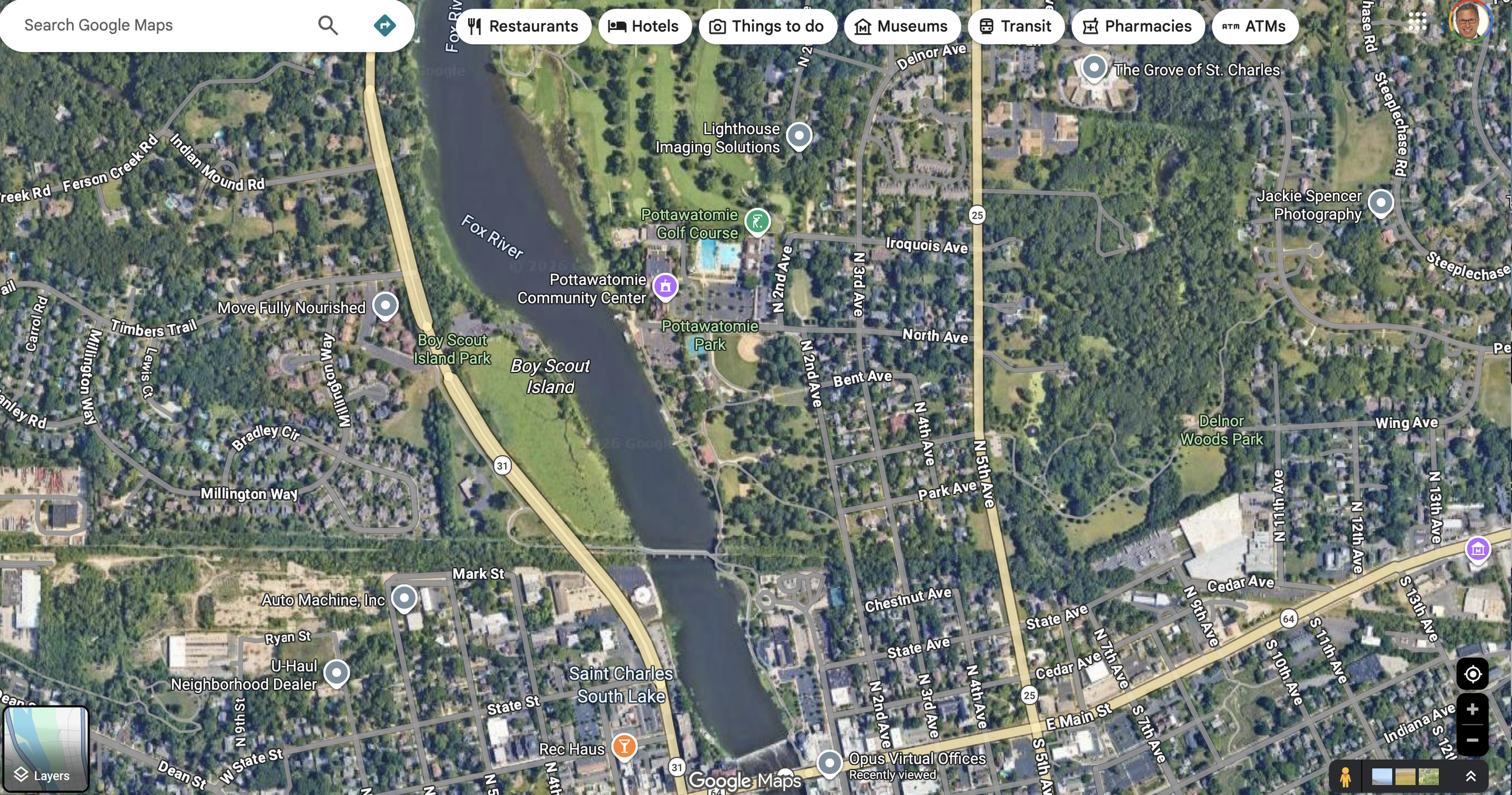
Google map of larger scale view of site
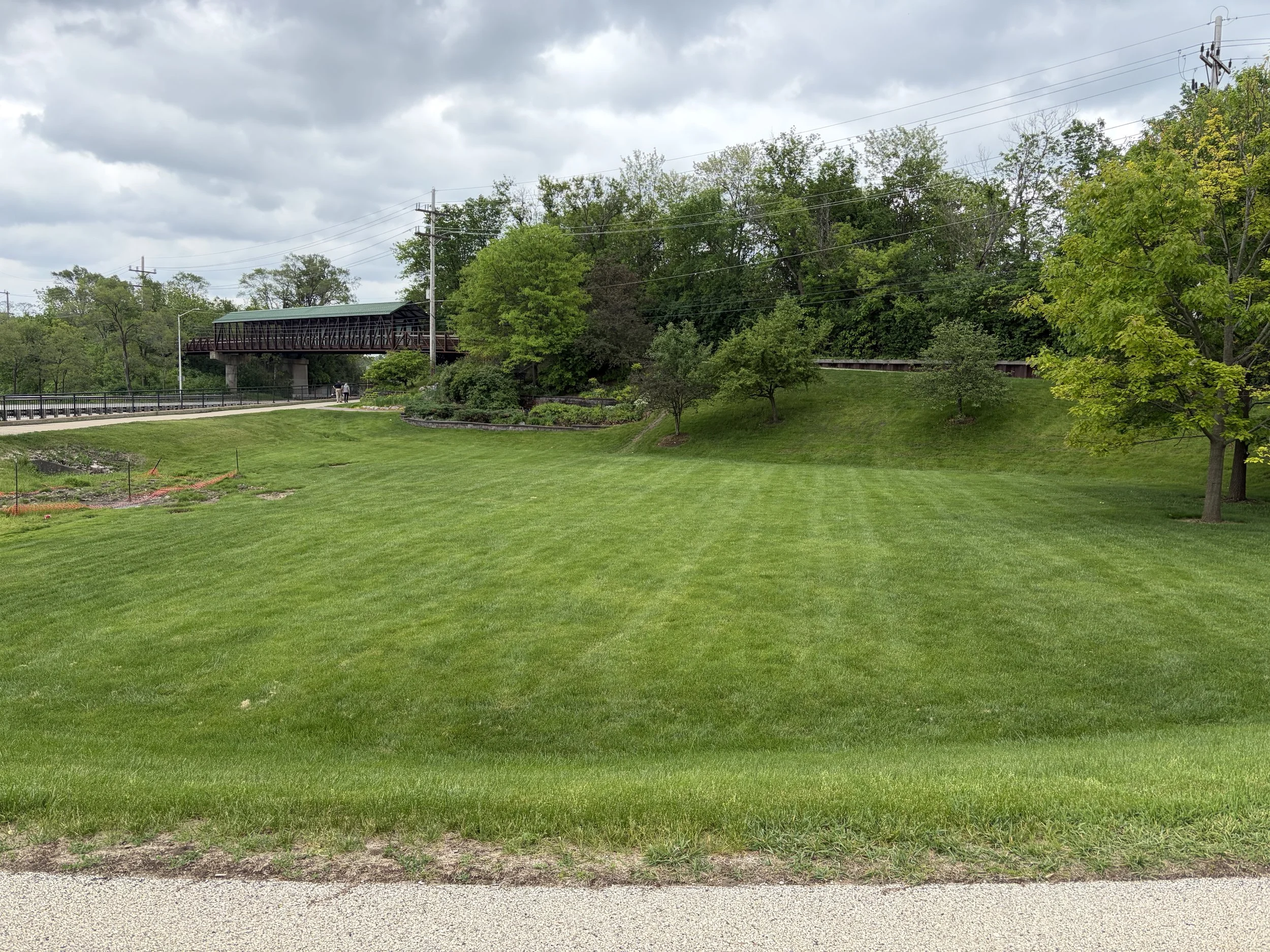
Proposed open site looking South near Rt. 31
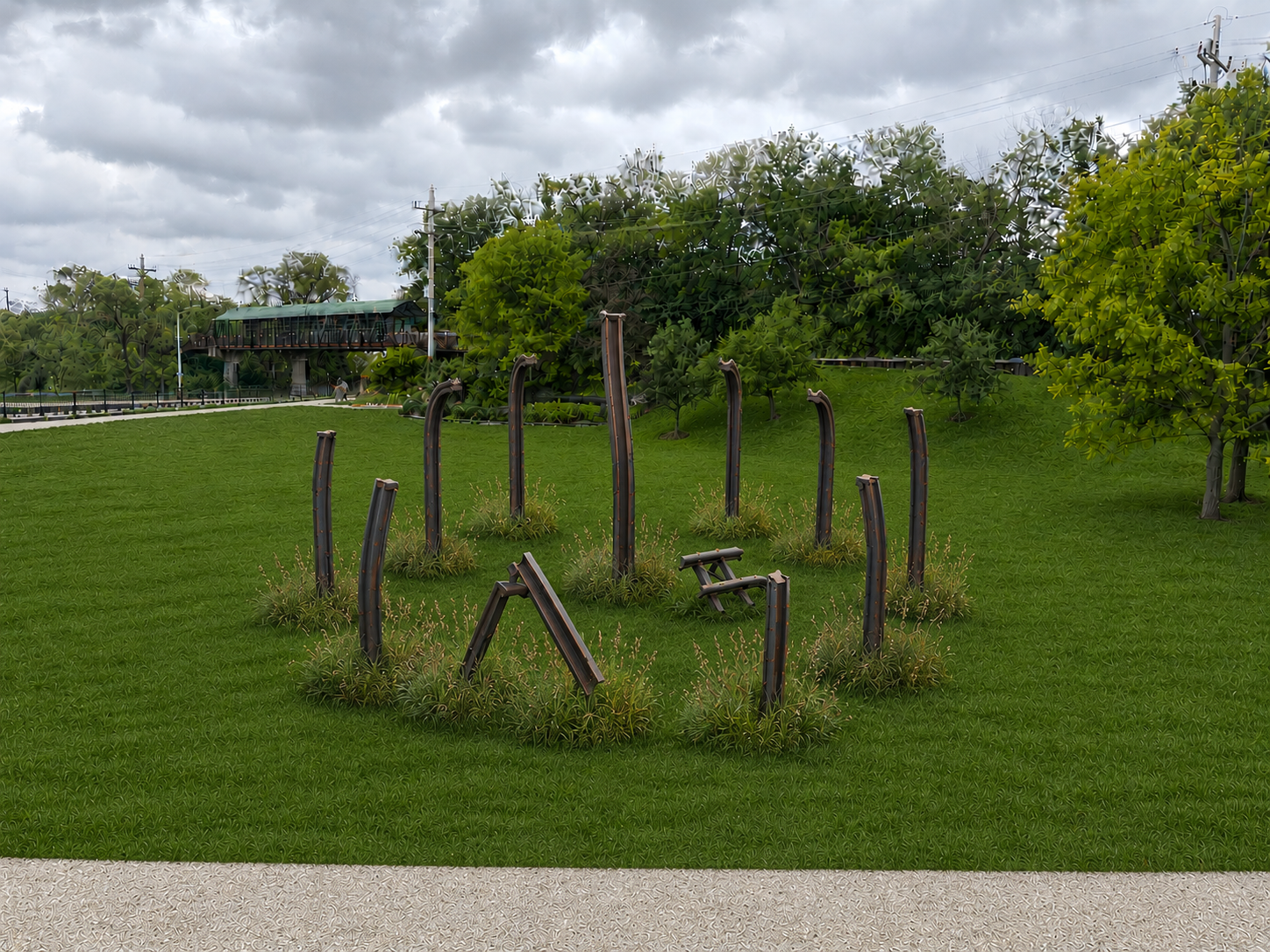
Railhenge Concept Daylight
Oakley Steel Products, Ed Libby, President/Owner (Donating Rails, Fabrication, and Delivery to Site)